
Have you become the Primary Family Caregiver?
“One person caring about another represents life’s greatest value.” — Jim Rohn
Current and historical data tell us that we’re all living longer. Since the 1980’s the number of Australians over the age of 85 years has more than doubled, from 0.6% of the population in 1978 to 2% of the population in 2018. This means there will come a time if you are lucky enough to have one or both parents in your life, that you will move from the role of child to the primary carer of your older parents.
Juggling this new role is not easy and most often occurs when you’re already stretched to capacity, between your job, your children, your partner and time for yourself, there’s not a lot of time left to factor in care for your parents. Conversations with your partner and siblings become fraught with tension as you discuss who’s going to take on the primary role of a carer or how will the responsibilities be shared.

This realisation that your parents need care often happens during a holiday or extended period spent back at the family home. You notice they’re frailer than you thought. You see Mum doing more things for Dad because he can no longer manage, or vice versa. Dad makes odd decisions that suggest his memory and cognitive function is changing. Mum avoids going out as her physical health slows her down.
Hopefully, your siblings are on board with your concerns and ready to lend a hand. At worst they are happy for you to handle all decision-making. You are about to take on the role of caregiving daughter or son. At Nurse Next Door we often experience an increase in requests for home care services after adult children spend extended periods of time with their parents. Hopefully, it’s a simple concern. One or both parents are slightly frailer than last time and tire more easily but are otherwise well. This is the best time to start the conversation about care and advance care planning. Putting care planning off only increases the risk of needing care in a crisis – a fall, or flaring up of a chronic medical condition that lands a parent in hospital and has you dropping everything to spend two or more weeks providing full-time care. To help you navigate what can often be a tricky conversation with stubborn parents who don’t see their health changing we’ve prepared our top 5 tips to ensure the right future health care support and home care can be put in place to maintain your parent’s independence and your peace of mind.
1. Timing Is Everything
Holday periods or family celebrations might not be the right time to start the conversation. Unless you believe your parents’ health requires urgent attention, it's ok to let everyone enjoy the holiday and save the conversation for a quiet moment when you can all talk at length and without distraction.
If you and your siblings aren’t on the same page, whether the issue is the health of an elderly parent or who will care for them, fighting about it at any family function will increase everyone's levels of stress and leave elderly parents with a sense of guilt that their lack of ability is causing family tension. Once your parents are back in their home and the added stress of a family gathering has passed, you will all be in a better position to have those difficult conversations.

2. Get The Full Picture
Don’t approach the situation until you are clear on what your exact concerns are, and why.
Ask questions without being intrusive if you have concerns around a change in your parents’ physical or mental health. Be aware they may hide the truth or seek to play down any health concerns, to avoid being removed from their home. Take notes of the things that are troubling you and discuss them with your partner or siblings to ensure you’re not just imagining the changes you see. If you haven’t seen your parents for some time, and don’t live nearby, it’s important to ensure you’re not reacting emotionally out of love for your parents and a misplaced sense of guilt that you don’t live close enough to help. By discussing your concerns with your partner, siblings or even friends you can work through what your concerns and possible solutions that will suit both you and your parents whether that is suggesting home care or other allied health services.
3. Be Informed
Once you are clear on what your concerns are, do some research to fully understand the care and health care providers available to your parents. Over 90 percent of older people want to remain at home. It is highly likely this statistic includes your parents. Are allied health professionals or home care available in their area? Can you be involved in the development of their care plans and any other advance care planning documents? Is there a care provider available who is focused on empowering your parents to remain independent, in their own home, on their own terms?
Try to be clear on the level of care needed. Most home care providers will organise a discussion with you and team care arrangements. At Nurse Next Door you can call your Care Designer, who is looking out for both you and your parents, with their emotional, as well as physical needs in mind.
4. Get Ahead Of A Crisis
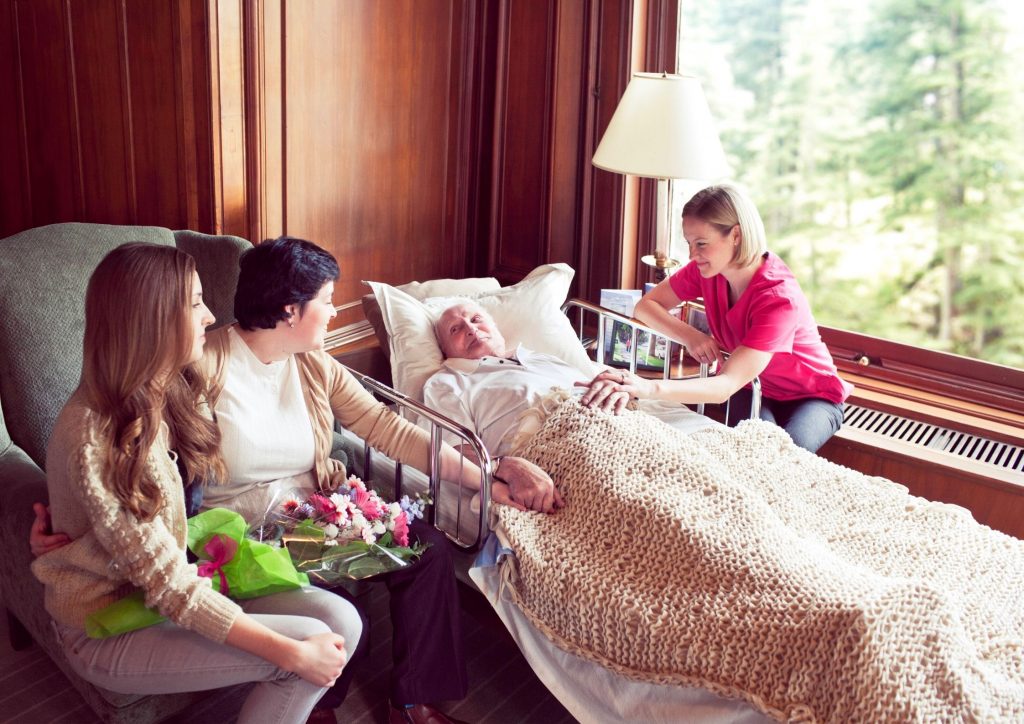
We often hear from the family caregiver when the situation has hit a crisis point. Most often it is an accident leaving a parent immobile. At this point, whether mum or dad like it or not, ongoing treatment, care and a personalised care plan are required to ensure their physical needs are taken care of, including any chronic medical conditions, and they can still maintain some level of independence.
This is a situation easily avoided by introducing the idea of care when it’s really just to lend a hand and make your parents’ life easier. If you notice they’re slowing down but otherwise healthy, talk to them about organising home care to take care of some of the light housekeeping duties. This allows your parents time to build a relationship with their caregiver. When greater care is required they won’t be averse to having a caregiver in the house. Getting ahead of a crisis is probably the best advice anyone can give you.
5. Focus On Happiness
While you may be worried about their ability to prepare nutritious meals, or drive safely, your parents on the other hand, are worried about losing their sense of self, their sense of purpose. Both of your parents have their own beliefs and values developed over years of experiences. They have hobbies, passions, life long friends and strong community ties.
Look for a care provider who respects the life your parents have lived. Residential care and retirement homes require the resident, i.e. your mum and dad, to do things on their schedule. Home care, on the other hand, provides the opportunity for your parents to maintain their routines within their own community. With home care, they can continue to go to their own hairdresser, shop at their local supermarket, have friends drop by at any time. Even you can drop in for some family time rather than coming over to clean and cook. At Nurse Next Door we encourage independence and focus on our client’s happiness. Our aim is to have your parents doing what they love. We call it Happier Ageing®.