
Life can change in an instant. A sudden fall, a planned surgery, or a lingering illness can often lead to a loss of confidence and independence. For many older Australians, the fear is that these setbacks are the first step toward permanent residential care.
However, the Australian Government’s Support at Home program (which fully replaced the old Home Care Packages and STRC on 1 November 2025) offers a powerful alternative: The Restorative Care Pathway, designed to help you navigate your journey to recovery.
What is the Restorative Care Pathway?
The Restorative Care Pathway is a short-term, intensive "burst" of support designed to help you regain your physical and cognitive functions. Unlike ongoing aged care, which provides long-term assistance with chores, this pathway is goal-oriented and time-limited.
Your team works with you to help you regain the ability to do daily tasks yourself. Whether it’s learning to use the stairs safely again or rebuilding the strength to walk to the local café, this pathway bridges the gap between a health setback and your usual independent life. Key aspects of this philosophy include:
- Active Participation: Encourages you to regain skills in activities of daily living (ADLs), such as showering, dressing, or cooking, rather than having staff perform these tasks for you.
- Capacity Building: Focuses on what you can do and what you want to do, rather than focusing solely on their limitations.
- Goal-Oriented: Involves setting personalised, achievable goals with you to maintain or restore independence.
- Empowerment and Dignity: Respects autonomy by fostering confidence and allowing you to take control of your own life and daily routines.
- Supportive Approach: Care teams provide guidance and encouragement, allowing for trial and error in a safe environment, helping you relearn tasks.
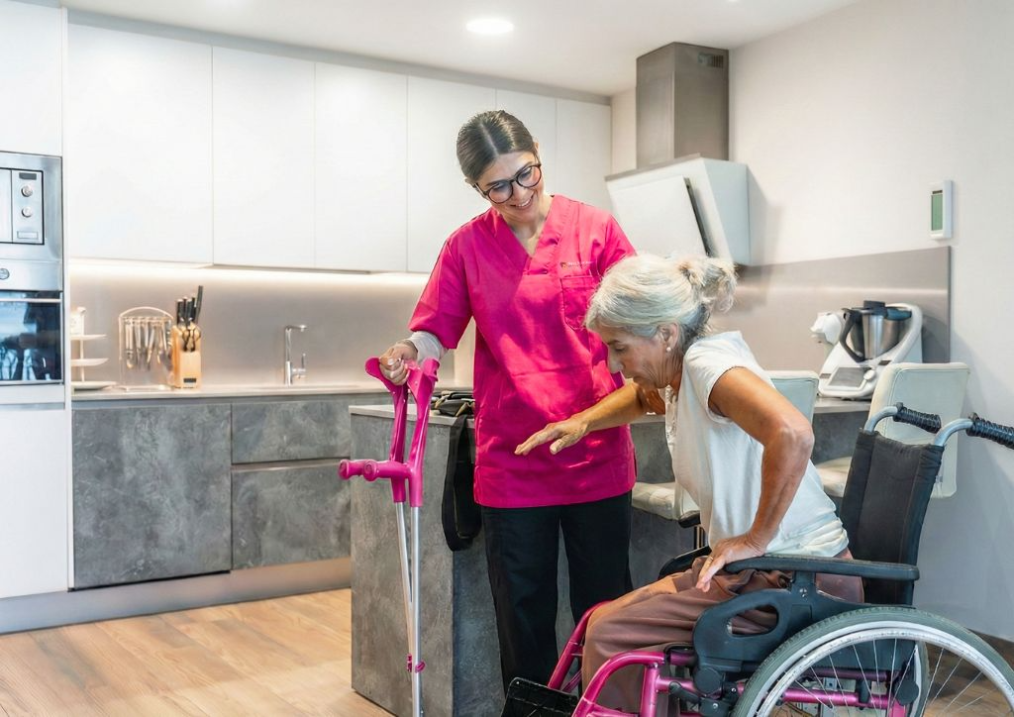
Key Features of the Restorative Care Pathway at a Glance:
- Duration: Up to 16 weeks per episode.
- Funding: Approximately $6,000 per episode (with the potential for a second unit of funding if needed).
- Focus: Clinical nursing and Allied Health (Physio, OT, etc.).
- Philosophy: "Doing with, not for."
Why the 2025 Reforms Matter
Before November 2025, many people used the Short-Term Restorative Care (STRC) program. Under the new Support at Home model, the Restorative Care Pathway has been expanded and refined to offer more flexibility:
- Longer Support: While the old program was strictly 8 weeks, the new pathway provides up to 16 weeks, recognising that true recovery, especially for neurological or complex physical issues, takes time.
- Immediate Access: Once approved by an Aged Care Assessment Team (ACAT) assessor, funding for this pathway is often allocated immediately, bypassing the long waitlists that can affect ongoing aged care budgets.
- Co-existence: You can now access a Restorative Care "burst" even if you are already receiving ongoing Support at Home services. This means your regular cleaning and transport continue while you get extra therapy to recover from a specific setback.
Is This Pathway Right for You? (Eligibility)
To access this pathway, you must be an older Australian who has experienced a functional decline but still have the motivation and capacity to improve.
You may be eligible if:
- You have recently returned from a hospital stay.
- You have noticed a decline in balance, mobility, or the ability to manage daily tasks.
- You have clear goals, such as "I want to be able to shower myself safely" or "I want to drive again."
- You are not currently receiving the End-of-Life pathway or Transition Care (TCP).

The "Multidisciplinary" Team Approach
The hallmark of the Restorative Care Pathway is the Multidisciplinary Team (MDT). At Nurse Next Door, we coordinate a group of specialists who work together toward your specific goals.
- Care Designer: Who is a Registered Nurse, is your dedicated Restorative Care Partner who will manage your goal plan and monitor your progress.
- Clinical Nursing Team: Will manage any clinical needs such as wound care, medications, or chronic condition monitoring.
- Physiotherapy: Will focus on helping you build your strength, balance, and mobility.
- Occupational Therapy: Can suggest home modifications (like rails) or assistive tools that make daily living easier.
- Dietitians & Podiatrists: Will help support your overall health to ensure your body has the fuel and foundation to recover.
Funding and Costs: What Do You Pay?
One of the most significant benefits of this pathway is how it is funded. The Australian Government prioritises clinical recovery, which is reflected in the payment structure:
- Clinical & Allied Health (Nursing, Physio, etc.): These services are 100% government-funded. You do not pay a participant contribution for clinical care under this pathway.
- Everyday Living & Independence (Cleaning, Personal Care): Depending on your income and assets assessment, you may be asked to pay a small contribution for these non-clinical services.
- The $6,000 Budget: This budget is dedicated solely to your 16-week recovery. If your needs are particularly complex, your provider can apply for an additional unit of funding (up to ~$12,000 total).

How Nurse Next Door Supports Your Journey
At Nurse Next Door, we understand that navigating the "Support at Home" system can be overwhelming, which is why we take the lead on the clinical and administrative coordination.
Guided by a Nurse-Led Approach
Every restorative journey starts with a Registered Nurse who acts as your "Care Designer." They manage your budget and advocate for your health. They coordinate your team of physiotherapists and occupational therapists, ensuring that every visit is moving you closer to your goal. If you improve faster than expected, they adjust the plan in real-time.
Rest, Recovery & Rehabilitation
Our approach is built on three pillars:
- Allied Health Excellence: We bring the clinic to you. From podiatrists to exercise physiologists, we ensure you have access to the exact clinical expertise required to restore your function.
- Help Around the Home: We know you can’t focus on physiotherapy if you’re worried about the laundry. We use restorative funding to provide essential support—like meal preparation and domestic assistance—so your energy is reserved for getting better.
- The Happier Ageing Philosophy: Most home care is "task-based." Ours is "relationship-based." We pair you with caregivers who match your personality, ensuring that your 16-week recovery is filled with Positivity, Possibility and Purpose.
How to Get Started: The 6-Step Process
If you or a loved one needs intensive recovery support, follow these steps to secure your funding:
- Step 1: Check Eligibility: Visit the My Aged Care website to see if you qualify for an assessment.
- Step 2: Apply for Assessment: Call 1800 200 422 or apply online.
- Step 3: Prepare Your History: Gather your Medicare card, GP details, and a list of your recovery goals.
- Step 4: The In-Home Assessment: Have a family member or a Nurse Next Door Care Designer present to help explain your needs to the ACAT assessor.
- Step 5: Receive Your Outcome: You will receive a "Notice of Decision" letter outlining your approved restorative funding.
- Step 6: Partner with Nurse Next Door: Call us on 1300 600 247. We will pair you with a Care Designer to start your 16-week recovery clock.

Reclaim Your Independence
The Support at Home Restorative Care Pathway is a testament to the belief that ageing is a different experience for everyone. With the right short-term professional support, many older Australians find they can continue to maintain their independence for longer,
At Nurse Next Door, we are your partner in recovery. Our person-centred approach ensures that your care focuses on getting back your independence so you can continue to stay in your own home, on your own terms.
Important Resources:
- Official Support at Home Overview: Department of Health & Aged Care
- Check Eligibility & Apply: My Aged Care Portal
- Financial Info: Services Australia Aged Care Support