
"Leaves are supposed to fall. People aren't"
As we age, our bodies change, and so can our balance. Falling is a very common occurrence that can happen at any age, especially in the later stages of life. Falls are the leading cause of hospitalisation for seniors living in Australia.
Research shows that 30% of people over the age of 65 and 40% of people over the age of 85 will experience a fall leading to injury, hospi. While these statistics are dire, it is important to know that strategies can be put into place to avoid common risks and reduce the likelihood of serious falls.
Fall Prevention Strategies for Common Risk Factors
Whether it is in the home or an aged care facility the risk factors for falls are quite similar. It is important to understand common risks and implement multiple strategies to avoid serious bodily harm including head injuries, hip fractures and several other hospitalised injuries.
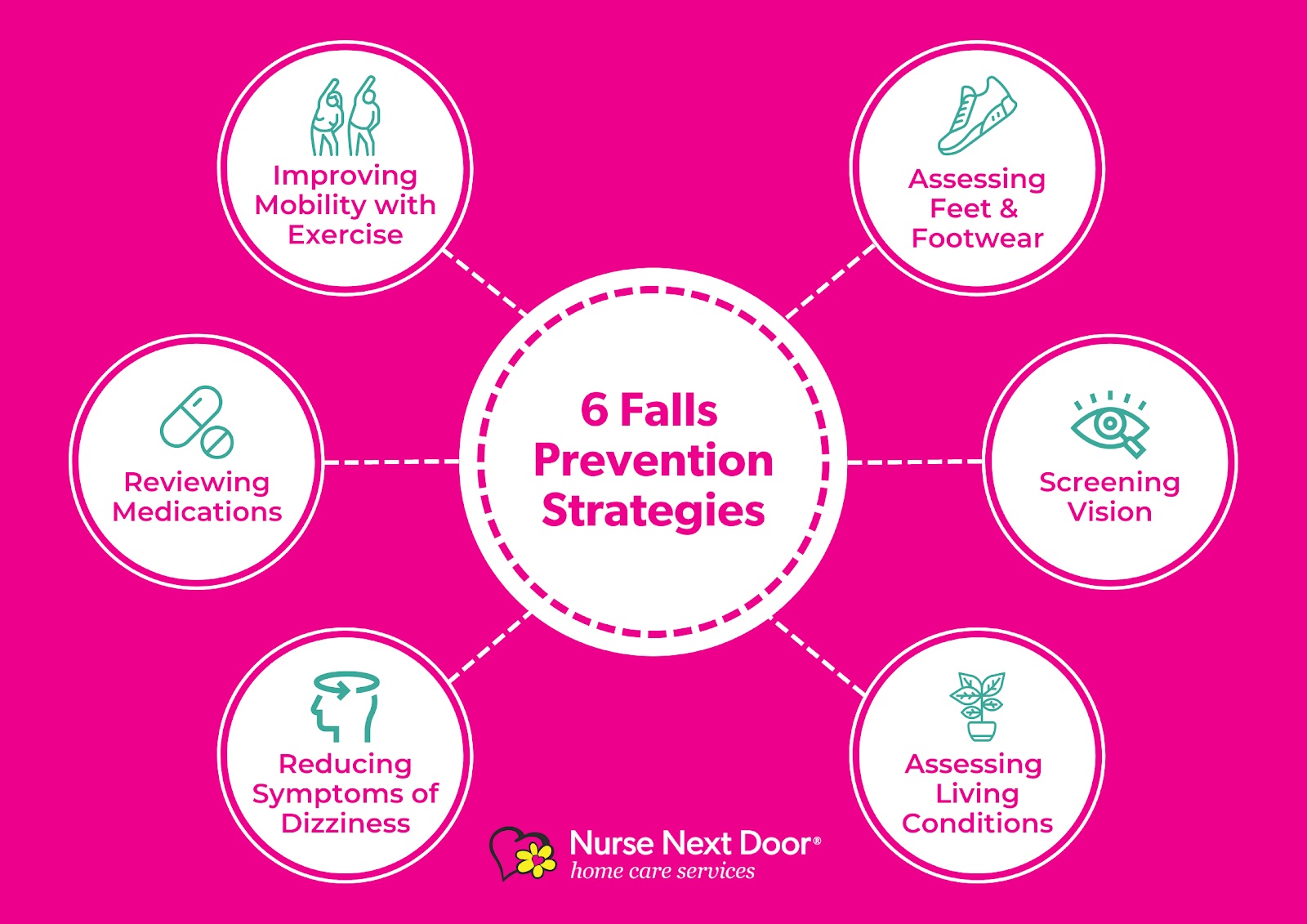
1. Improving Mobility With Exercise
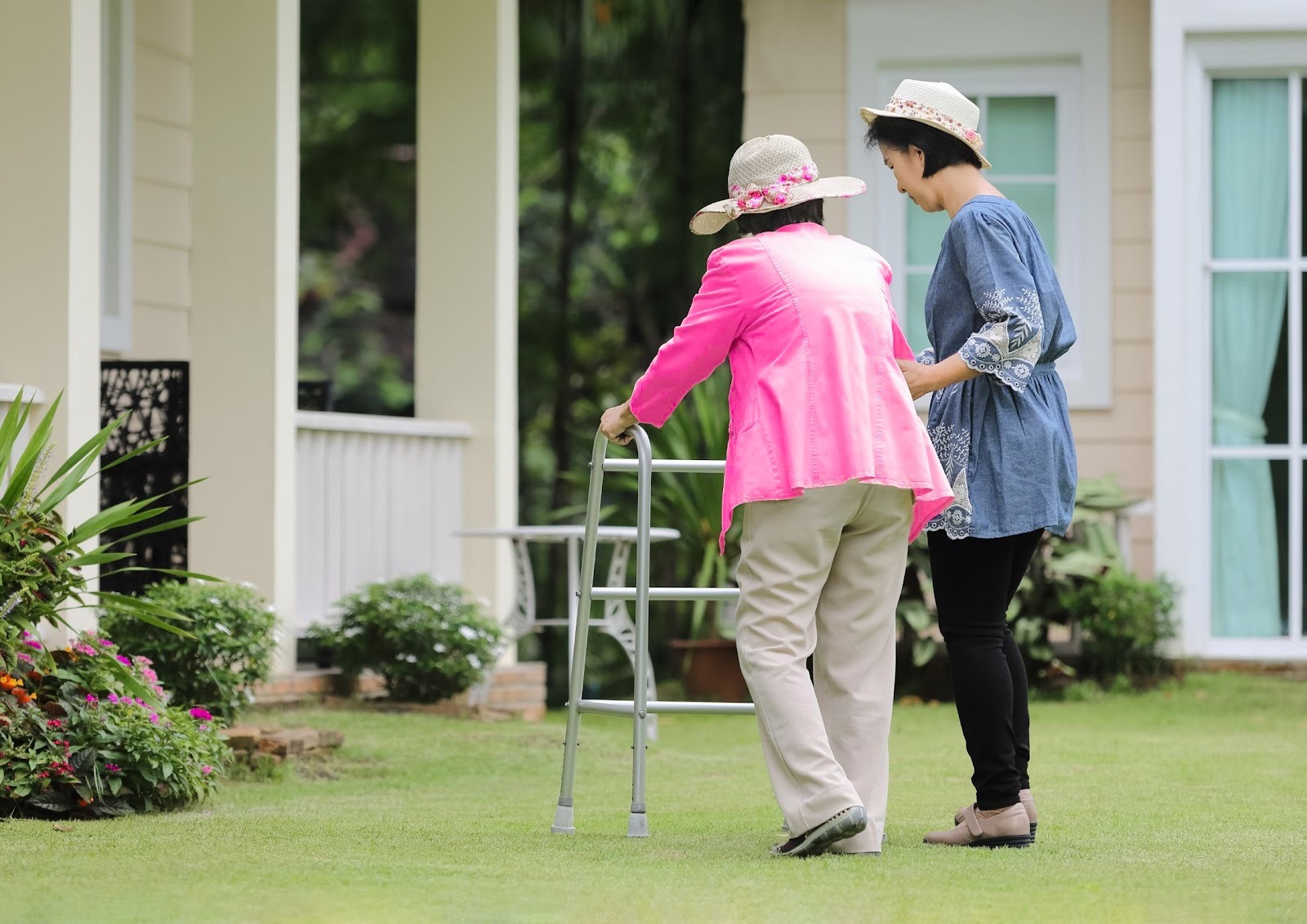
Exercising our bodies will provide enough muscle strength and mobility to help prevent falls and minimise serious injury. Regular exercise can cause a 23% reduction in falls. To achieve better balance and healthier ageing, it is suggested that people should exercise at least 150 minutes a week with a focus on functional strength training and high balance exercises.
A well-designed exercise program that is focused on low-impact movements and tailored to an individual's needs can further help improve their overall strength and balance. Similarly practising tai chi or having regular visits to a physiotherapist can also help enhance an individual's mobility, especially if exercising is limited due to cognitive impairment or other conditions.
2. Assessing Feet & Footwear
Existing foot conditions and the type of footwear worn can affect your balance and increase the overall risk of falling.
Poorly fitting footwear or footwear inappropriate for environmental conditions can impair a foot's position over time and affect both mobility and balance.
For example, high-heeled, medium-heeled and narrow shoes will affect balance and increase the risk of sustaining foot fractures. Similarly, slip-on shoes and sandals increase the risk of foot fractures as a result of a fall. Slippers and socks, which are commonly worn by older people, are associated with an increased risk of falls that can cause serious injury.
To reduce the risk of falling as a result of feet and footwear, visiting a podiatrist to asses the feet is recommended to better understand the foot's condition, and stability. Similarly, wearing athletic shoes is associated with the lowest risk of falls. If athletic shoes are not available, the following shoe characteristics should be considered when choosing appropriate footwear as it is safer for older people:
- Thinner & firmer soles with tread
- Laces or strong fastening
- Low square heel shoes
- Supporting collar
3. Reducing Symptoms of Dizziness
Experiencing dizziness and vertigo is common in all age groups but is more prevalent as we age. Dizziness describes a range of sensations such as feeling weak or unsteady. It can create a false sense that the surroundings are spinning or moving. Dizziness and vertigo cause an individual to lose balance who is then more likely to experience a serious fall.
Symptoms of dizziness can be described by several sensations, including:
- A false sense of motion or spinning (vertigo)
- Lightheadedness or feeling faint
- Unsteadiness or a loss of balance
- A feeling of floating, wooziness or heavy-headedness
Dizziness in older people can indicate an underlying problem. Because it is subjective, the sensation may be due to impairment or disease. If an individual is experiencing frequent dizziness or vertigo this can increase the risk of a serious fall, it's recommended to reach out to a medical professional to determine the root cause.
4. Reviewing Medications
As we age, we may need the assistance of medication to maintain our physical health. For people over the age of 65, medications should be reviewed at least yearly by a pharmacist.
Studies have shown that there is a link between medication use and falling in older people as a result of medication interaction, unwanted side effects (dizziness) and desired effects (sedation). Taking more than one medication enhances the risk of falls, and may be due to the adverse reactions to one or more of the medications.
Regular pharmacological review of medications that are prescribed to an individual due to their changes from ageing can lead to potentially avoidable events, including falls and fractures.
5. Screening Vision
It is common to experience visual impairment as we age. The leading causes of visual impairment are cataracts (which are potentially reversible), followed by age-related macular degeneration (which is irreversible). Research has shown that visual impairment can increase fall risk by, on average, 2.7 times.
Different eye diseases can create different risk factors for older adults. If an individual is suffering from glaucoma, for example, there is a risk of losing peripheral visual fields (side vision) affecting a person's postural stability, ability to identify hazards and navigate in a cluttered environment. Macular degeneration, on the other hand, causes a loss of central vision and is associated with impaired balance resulting in an increased risk of falling.
It is vital to have a routine visual screening to monitor vision and measure any visual problems as we age through standardised eye tests conducted by allied health professionals which can then help an individual determine what other strategies need to be put into place to reduce the risk of falls.
6. Assessing Living Conditions
Whether it is at home or in a residential aged care facility, the living conditions and overall environment can also increase the risk of serious falls for people over the age of 65.
Rearranging the space a person is exposed to will help minimise these hazards and can reduce the risk of falls. For example, home modifications could include:
- Removing clutter
- Improving lighting
- Supplying & repairing assistive devices
- Installing handrails
- Rearranging furniture
- Installing nonslip flooring in wet areas
- Routinely cleaning up wet floors
- and more...
To determine what changes are required to ensure a safer space, it is essential to initially understand the person's activities of daily living to identify common hazards and make the necessary changes. An individual's general mobility, as well as physical and cognitive function, are also assessed to understand what additions and modifications may be required to ensure the safety of older people.
Falls are one of the leading causes of hospitalised injury cases and can be associated with a range of physical, cognitive and environmental factors. Falls prevention strategies in aged care are essential for minimising the risks of serious and even fatal falls. No one strategy can completely stop the risk of falls, however, by implementing multiple strategies, we can greatly reduce the risk and improve an individual's quality of life.