
5 Benefits of music therapy for dementia care
“Music helps us to remember who we are and where we come from”
If there’s one thing (aside from food) that unites us across generations, gender, race and culture - it’s music. Not unlike a soundtrack to a movie, we often associate some of the best and worst moments of our lives, or our most significant memories, with whatever music we were listening to at the time.
You’ll never forget the song you danced to at your wedding, or the records your parents played on repeat when you were a kid, or the anthems that got you through your first heartbreak. This is because the brain commits the songs that hold meaning to us to emotional memory; the memory of experiences that evoked an emotional reaction.
Music has many benefits for the overall physical and emotional wellbeing of patients living with Dementia:
1. Memory Recall
Though communication and memories may be lost, familiar music triggers patients living with dementia to smile, move and even dance. These studies also found that singing appeared to evoke previously lost memories of children, friends, and immediate short story recall.
2. Improvement in moods and emotional states
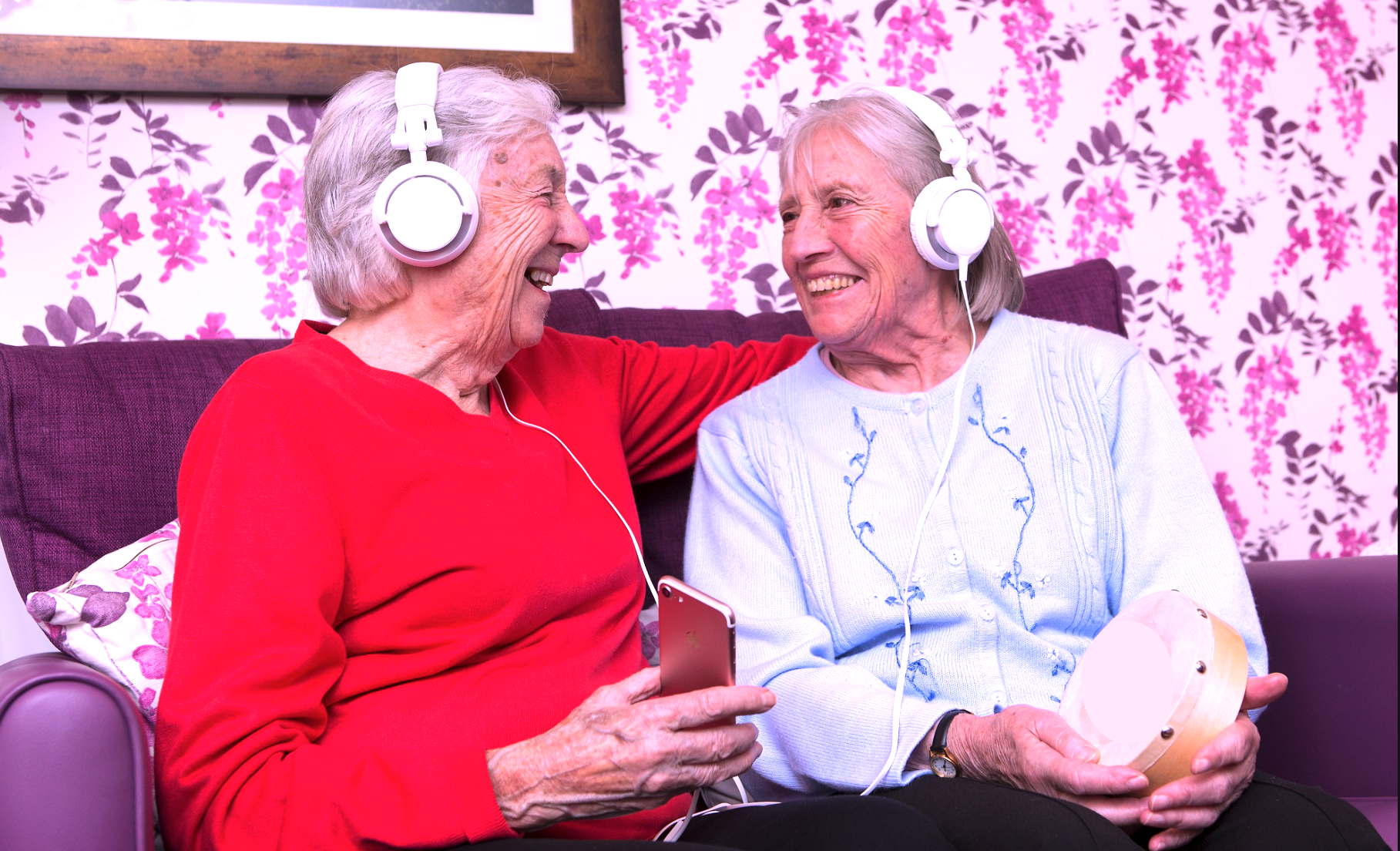
Studies have shown that music has multiple health benefits for those living with or without dementia. Singing, dancing, and/or listening to music helps to reduce symptoms of dementia such as depression, anxiety, and overall stress. Even though most songs span three to four minutes, the resulting elevations in mood, behaviour, and cognition function, can last for hours and days afterwards.
3. Pain Management
Research has found that Music assists with chronic pain by stimulating the senses and reducing the amount of pain perceived by the patient. Additionally, rhythmic breathing promotes relaxation, rest and evokes a calmer response in the nervous system.
4. Providing a structure that promotes rhythmic or continuous movement or vocal fluency in physical rehabilitation
It’s hard not to resist the urge to dance or tap our feet when we hear a good tune. We’re all born with an innate instinct to synchronize our body’s movements and speech to music. Engaging in this simple exercise has been known to abate the symptoms of dementia, due to the increase of cerebral blood flow to the prefrontal cortex.
5. More opportunities for social interaction and communications
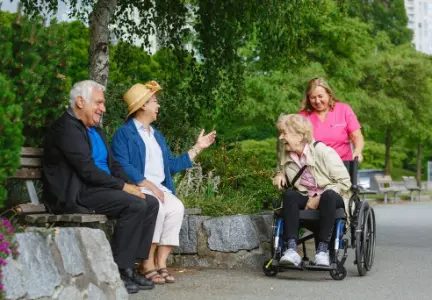
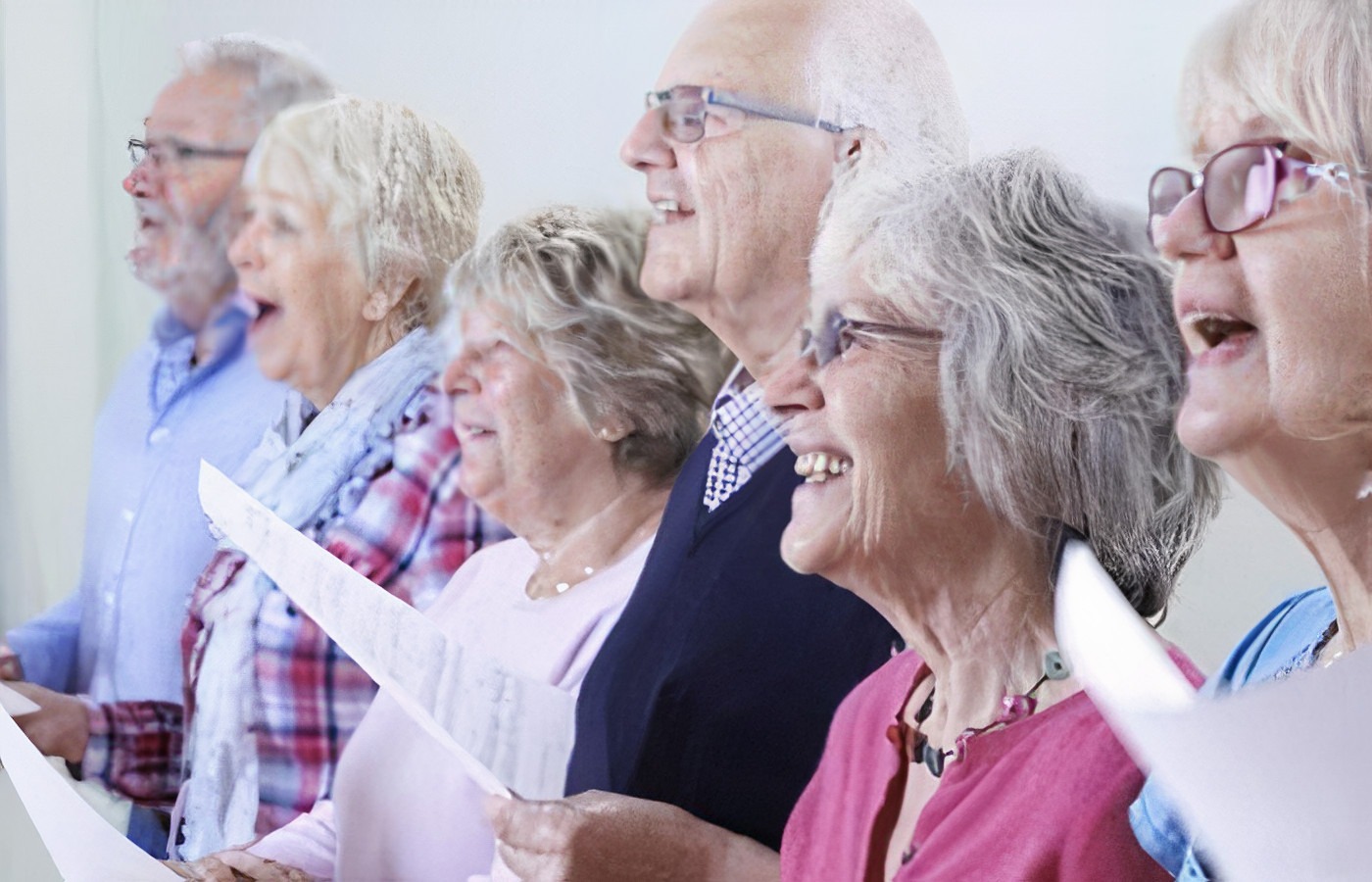
Undoubtedly, one of the most difficult facets of dementia is isolation. A decline in socialising results in a decline in behavioural and cognitive functions. Music acts as a barrier against the effects of loneliness by bringing people together and creating group experiences. Additionally, patients with dementia have affirmed that the supportive nature of singing in a group has helped them to accept and cope with their condition.
Studies have shown that music has multiple health benefits for those living with or without dementia. Singing, dancing, and/or listening to music helps to reduce symptoms of depression, anxiety, and overall stress. Similarly, engaging with music also increases heart rates and hormone levels in cognitively impaired patients.
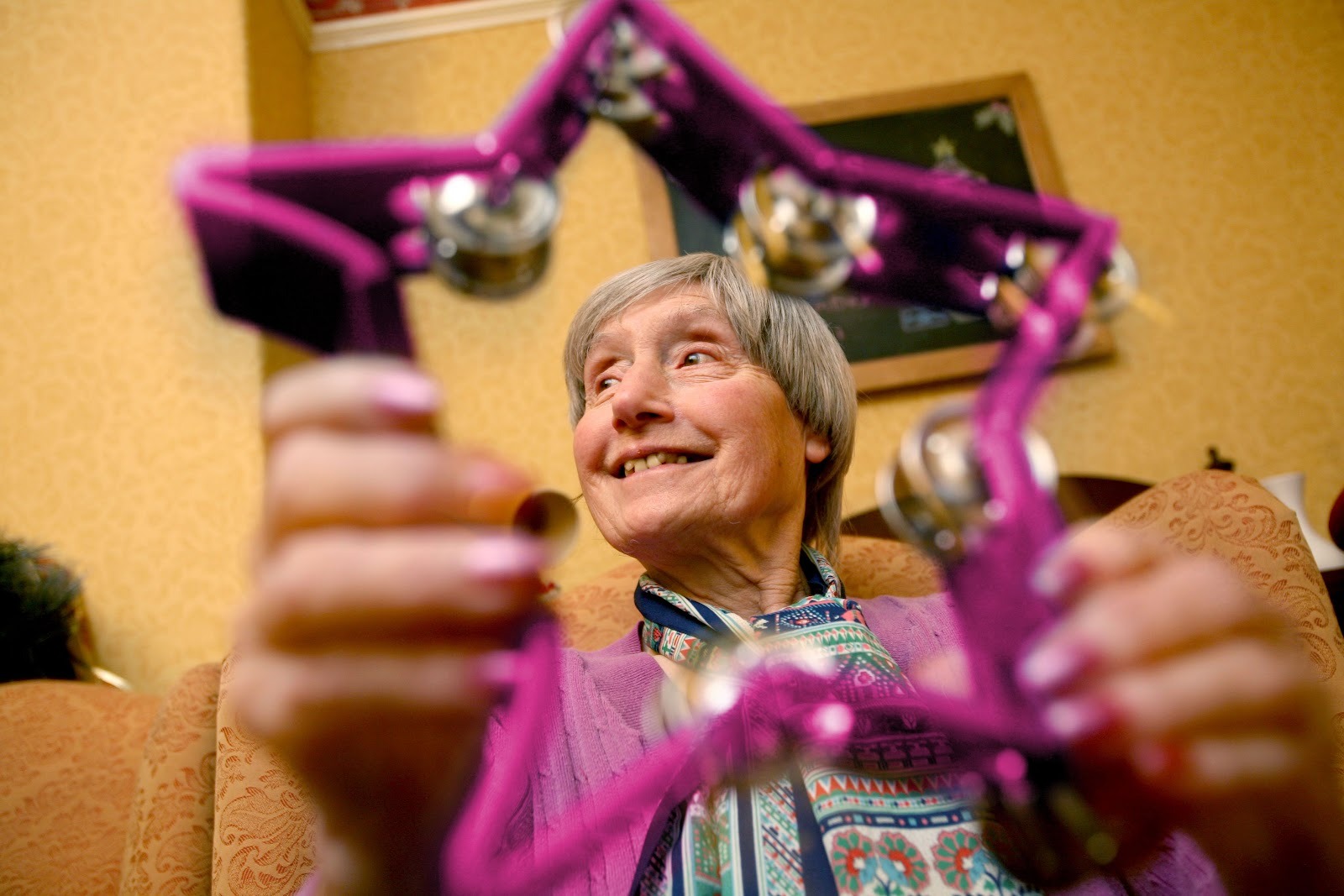
Even though most songs span three to four minutes, the resulting elevations in mood, behaviour, and cognition function, can last for hours, even days afterwards. Though communication and memories may be lost, familiar music triggers patients living with dementia to smile, move and even dance. These studies also found that singing appeared to evoke previously lost memories of children, friends, and immediate short story recall.
It’s difficult to conclude as to why music has such a profound effect on people with or without dementia, but it is clear that music is often intertwined with our personal identity and history. In other words, music helps us to remember who we are and where we come from.
That’s why we at Nurse Next Door believe supporting the passions of our clients is essential in maintaining the quality of their life. Below you’ll find a heartwarming video of our client Arthur, playing the guitar with Nurse Next Door South Brisbane Enrolled Nurse Goldian.
“Goldian loves playing guitar and noticed a guitar sitting in the corner of Arthurs unit, so he decided to bring his own guitar to the visit. Arthur is non-verbal and suffers from end-stage Parkinson's disease, so playing guitar is really hard, but he now wants to get out of his normal lounge chair in front of the TV to start "jamming" with Goldian. Goldian says Arthur's whole personality changes when he has the guitar in his hand."