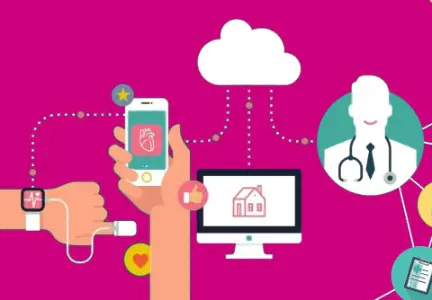

How Technology Is Helping People At Home
“The advance of technology is based on making it fit in so that you don't really even notice it, so it's part of everyday life.”
Twenty years ago, it would have been impossible and somewhat hilarious to imagine a world where people walk into the room and talk to an imaginary friend to turn the lights on. Yet here in 2022, we can shout “Hey Siri/Hey Google/Hey Alexa!” into the void and no one bats an eyelid. Technology has made leaps and bounds since the turn of the century, so much so that it is a normalised part of our everyday experience.
According to the World Health Organisation, more than 1 billion people need one or more assistive products.
That number is expected to double to more than 2 billion people by 2030, due to an ageing global population and a rise in noncommunicable diseases.
What does ‘Assistive Technology’ actually mean?
Assistive technologies are physical supports that help you to:
- Do something easily or safely
- Do something you otherwise couldn't do
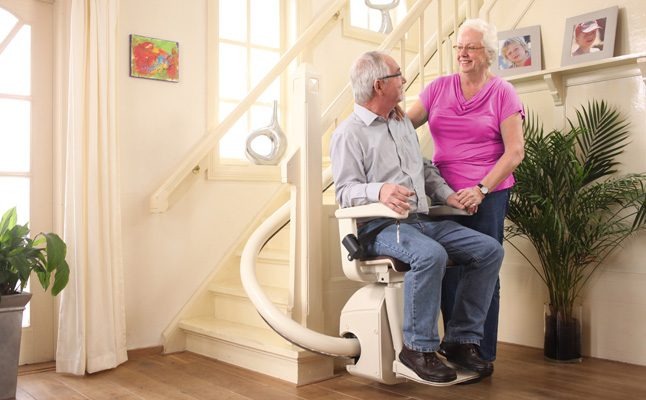
They range from everyday household items to more complex items like pressure care mattresses and power wheelchairs. In other words, anything that assists individuals to perform daily tasks or activities is considered assistive technology.
Advancements in technology move fast. Technology companies have become increasingly focused on tailoring the experience of their products to suit the individual needs of their customers, which has had a vast influence on the way we communicate with our loved ones and our environment. Architects are now building smart homes that will sense if someone falls over or forgets their medicine. Doctors now offer telehealth options and watches now monitor our vital signs.
But assistive technology doesn't have to be high tech. Jar openers, pill organisers and long handled shoe horns assist us to remain independent when physical challenges may otherwise restrict our options.
It’s for this reason that more people are able to live independently and stay at home longer, even with the challenges that come with age and/or a disability.
What are the benefits of Assistive Technologies?
Assistive technologies benefit a wide range of people across genders, ages, countries and cultures. No doubt they have a profound impact on the lives of their users, helping them to communicate and learn, function in work and social activities, as well as enjoy greater independence and quality of life.
The benefits extend beyond the physical to the emotional and socio-economic well-being of a person and their family. When engaged with assistive technology, people are able to remain in their community, and are less likely to experience isolation. Their family can rest assured that their loved ones are safe and well at home.
It’s estimated that many older people will be needing two or more assistive technologies.
People who most benefit from assistive technology include:
- People with non-communicable diseases such as diabetes and stroke
- People with cognitive decline including those living with Dementia and Alzheimer's
- People with gradual functional decline due to age or disability
Here are a few experiences where simple assistive technology has made a huge difference to someone's life:
- Eight-year-old Ava is hard of hearing. Thanks to her hearing aids, she now has improved language skills which will help broaden her opportunities for relationships, education and employment.
- Frank, 56, has weakness in his legs and now uses a manual wheelchair. Now he can travel longer distances which aid in his employment opportunity. Not only that but his healthcare costs are majorly reduced as he no longer suffers from pressure sores and contractures.
- Bob and Cheryl are in their late 80s. They are able to maintain their independence at home thanks to a personal call alarm system that can be used in case of an emergency. They also have grab rails fitted in their bathroom to provide support and prevent falls. This gives peace of mind to Bob and Cheryl’s family as they don’t have to fear for their safety or worry about nursing home and hospital costs.
How to find the right Assistive Technology
Because assistive technology ranges from simple to complex, engaging an Assistive Technology Assessor can help you to determine the right solution for your needs.
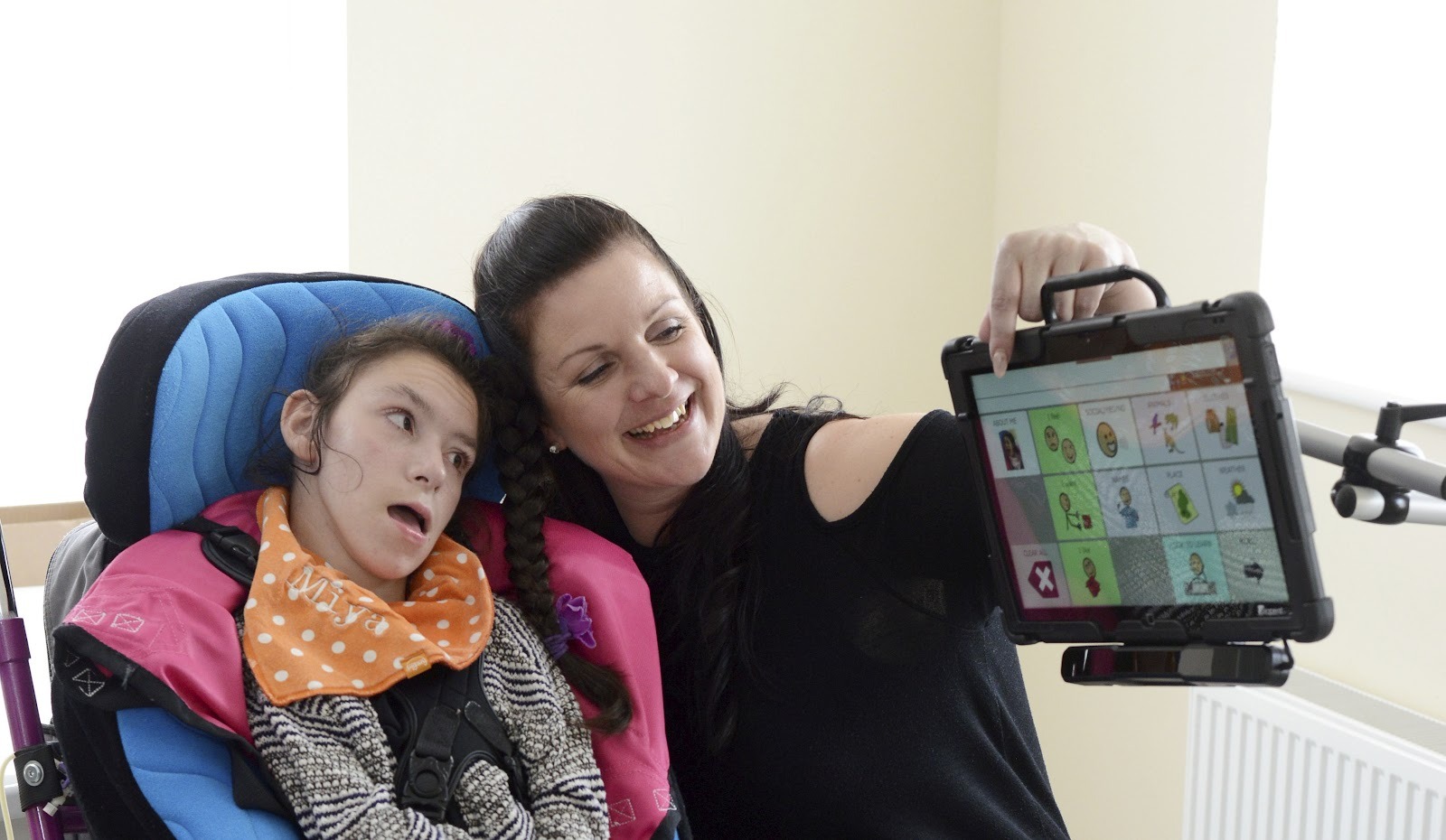
The assessor determines the “best matched” technology for an individual and their environment through input from the consumer, possibly family, carers and relevant professionals. This is a crucial step in the process as the wrong technology will be of little help in improving the user’s life.
Questions to consider when thinking about assistive technology include:
- What are my needs?
- What are my limitations?
- What are my goals?
- Who can assist me in selecting an AT?
- Does the AT meet my needs?
- Can I trial the AT?
- What are the pros and cons of different brands of AT?
- What training or education do I need to safely use AT?
- What follow-up is available? (e.g servicing, repairs, spare parts)
Links to helpful resources
ndis.gov.au - National Disability Insurance Scheme
ilcaustralia.org.au - Independent Living Centers Australia
askned.com.au - Australia’s largest assistive technology database with over 15,000 products.

.webp)